

05
May 2026The Art of Dining Room Design: A Mid-Century Modern Approach
The dining room is more than a place to share meals—it's a space for connection, conversation, and daily ritual. When designed with intention, it becomes one of the most meaningful rooms in the home. This mid-century modern dining room is a masterclass in warmth, proportion, and understated elegance, demonstrating how a few carefully chosen elements can transform an everyday space into something truly special.
The Round Table: A Timeless Centerpiece
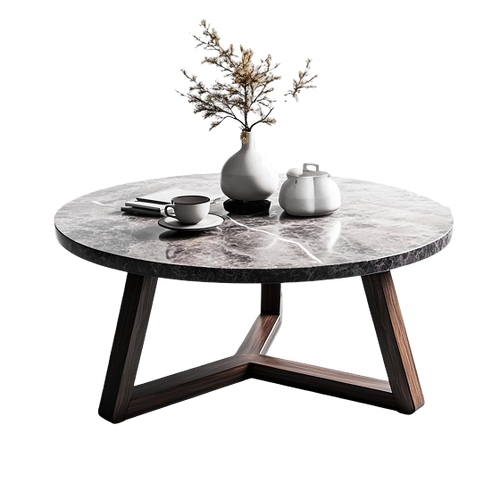
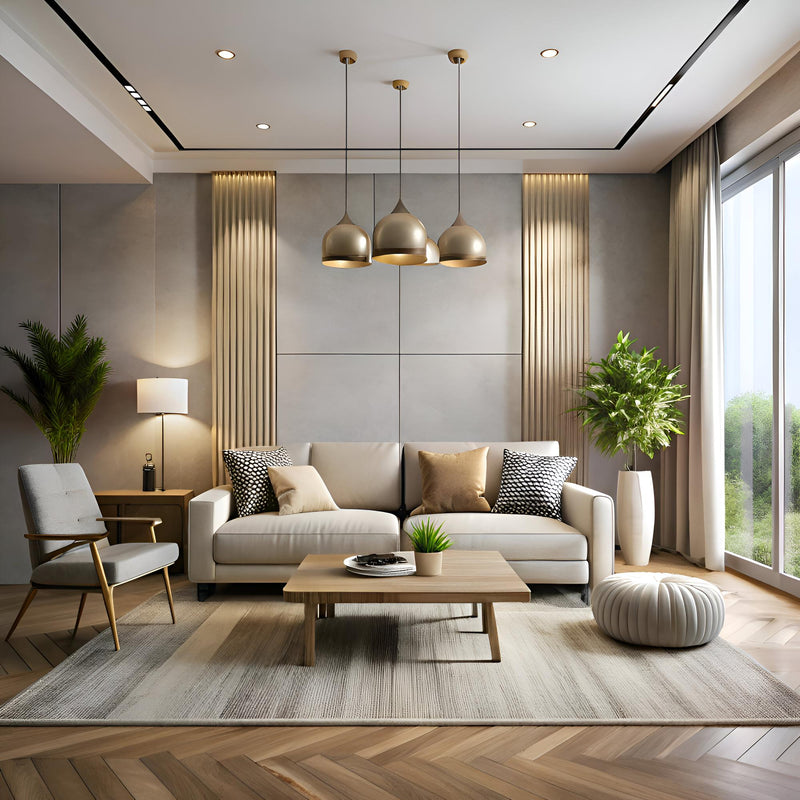
At the heart of this room is a round dining table in rich, warm walnut with a sculptural pedestal base. The round form is a hallmark of mid-century modern design—it encourages conversation by placing every guest on equal footing, with no head of the table and no hierarchy. The pedestal base adds architectural interest while keeping the floor open and uncluttered, making the room feel more spacious. When choosing a dining table, consider how its shape will influence the energy of your gatherings.
Chairs That Invite You to Stay
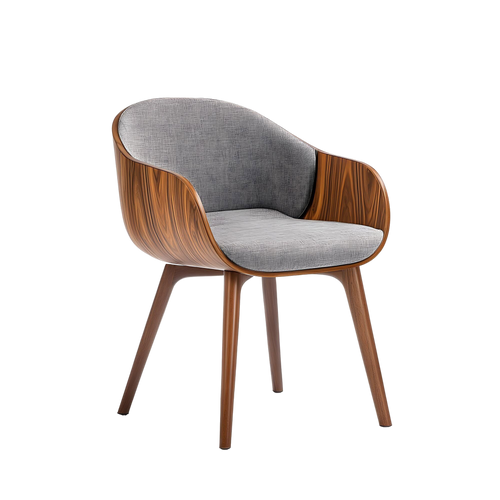
The upholstered barrel chairs surrounding the table strike the perfect balance between comfort and style. Their curved backs and soft beige fabric echo the warmth of the wood while adding a layer of tactile softness to the room. The tapered wooden legs tie them visually to the table, creating a cohesive, considered look. Choosing chairs that are genuinely comfortable encourages longer, more leisurely meals—one of the quiet luxuries of a well-designed dining room.
Statement Lighting as Sculpture
The trio of brushed gold pendant lights suspended above the table is the room's most dramatic design statement. Clustered at varying heights, they create a sense of movement and drama while casting a warm, intimate glow over the dining surface. Lighting above a dining table should always be positioned low enough to feel intimate—typically 70 to 80 centimetres above the tabletop—and warm enough in tone to flatter both food and faces. These pendants achieve both beautifully.
A Neutral Palette with Warmth
The room's color story is built on a foundation of warm neutrals: soft greige walls with subtle panel detailing, a natural fiber rug, and the honey tones of the wood floor and furniture. This palette creates a serene, sophisticated atmosphere that feels both modern and timeless. The absence of strong color allows the quality of the materials—the grain of the walnut, the texture of the upholstery, the sheen of the gold pendants—to take center stage. When working with neutrals, vary the tones and textures to prevent the palette from feeling flat.
The Power of a Single Vase
On the table, a single white geometric vase holds a delicate sprig of fresh greenery. This restraint is intentional and powerful. Rather than an elaborate centerpiece that competes for attention, this simple arrangement draws the eye gently and keeps the table feeling open and inviting. The organic shape of the branches contrasts beautifully with the clean lines of the vase and the smooth surface of the table. In dining room styling, less is almost always more.
Bringing Nature Indoors
A large leafy plant in a dark ceramic pot anchors the corner of the room, adding life, scale, and a connection to the natural world. Indoor plants are one of the most effective and affordable ways to elevate a dining space—they soften hard architectural lines, improve air quality, and bring a sense of vitality that no decorative object can replicate. Choose a plant with bold, architectural foliage for maximum visual impact in a dining room setting.
The Sideboard: Function Meets Form
Against the back wall, a low walnut sideboard provides essential storage while doubling as a display surface. A single sculptural gold object sits atop it, echoing the pendant lights above and creating a subtle visual thread that ties the room together. Sideboards are one of the most versatile pieces of dining room furniture—they store linens, tableware, and serving pieces while offering a surface for seasonal styling. Choose one that complements your table in material and proportion.
Texture Underfoot
The natural fiber rug grounds the dining area and defines the space within the larger room. Its woven texture adds warmth and tactile interest while its neutral tone allows the furniture to remain the focal point. When selecting a dining rug, ensure it is large enough that all chair legs remain on the rug even when pulled out—this is the most common sizing mistake and one that significantly affects the finished look of the room.
Light and Space
Floor-to-ceiling sheer curtains frame the window, filtering the natural light softly and adding height to the room. The interplay of natural and artificial light is one of the most important considerations in dining room design—natural light energizes daytime meals, while warm artificial light creates intimacy in the evenings. Layering both sources gives you flexibility and ensures the room looks beautiful at any hour.
This dining room is a reminder that great design is not about abundance—it's about intention. Every element has been chosen with care, every proportion considered, every material selected for its beauty and its relationship to the whole. The result is a space that feels both effortlessly stylish and deeply livable: a room you want to linger in long after the meal is done.
The Art of Coffee Table Styling: A Mid-Century Modern Approach
Elevating Everyday Spaces with Thoughtful Home Décor