

29
Jan 2026Elevating Everyday Spaces with Thoughtful Home Décor
Your home is more than just a place to live—it's a reflection of your style, a sanctuary from the outside world, and a canvas for creating moments of beauty in everyday life. Elevating your space doesn't require a complete renovation or an unlimited budget. With thoughtful design choices and attention to detail, you can transform ordinary rooms into extraordinary spaces that inspire and comfort you daily.
The Foundation: Creating a Cohesive Color Story
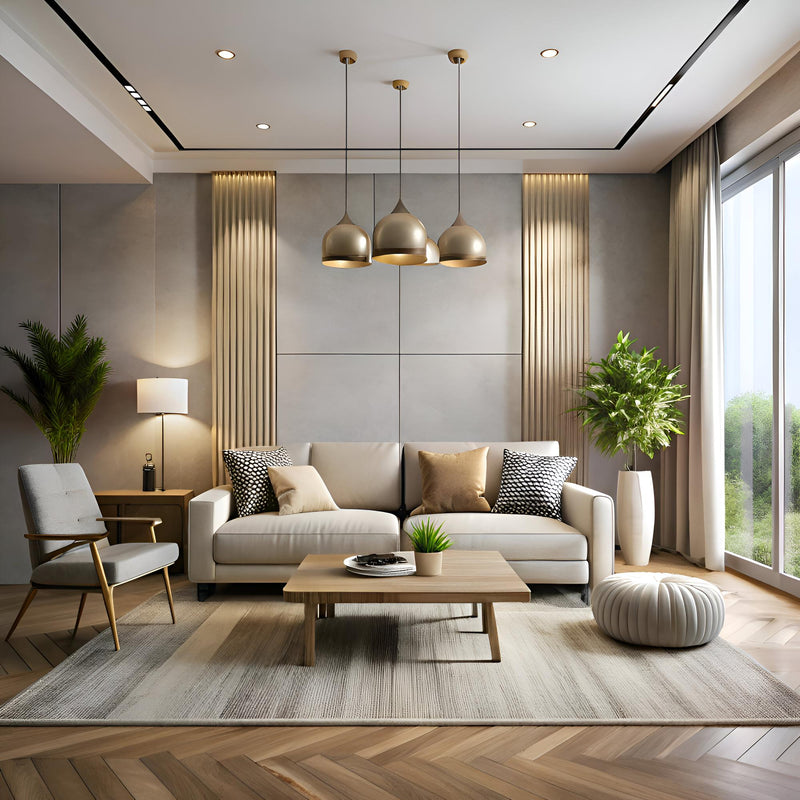
The key to elevated design begins with a cohesive color palette. This stunning living room demonstrates the power of a monochromatic scheme—warm beiges, creamy whites, and natural wood tones create a serene, sophisticated atmosphere. When every element speaks the same tonal language, the result is a space that feels intentional and harmonious. Choose a base color family and layer different shades and textures within that palette for depth without visual chaos.
Statement Lighting: The Jewelry of Your Room
Lighting is often overlooked, yet it's one of the most transformative elements in interior design. The spherical pendant lights in this space serve as sculptural focal points while providing warm, ambient illumination. Paper lantern-style fixtures add softness and diffuse light beautifully, creating an inviting glow that enhances the room's warmth. When selecting lighting, think beyond function—choose fixtures that make a statement even when turned off.
Textured Walls: Adding Dimension and Interest
Flat walls are a missed opportunity for adding character to your space. The horizontal wave-textured wall treatment shown here creates stunning visual interest through shadow and light play. Textured walls add depth and sophistication without overwhelming the space. Consider options like 3D wall panels, shiplap, venetian plaster, or textured wallpaper to elevate your walls from backdrop to design feature.
Investing in Quality Furniture Pieces
The foundation of any elevated space is quality furniture with timeless design. This low-profile sofa with clean lines and plush cushions exemplifies modern elegance—comfortable enough for daily use yet sophisticated enough to impress. The organic-shaped coffee table adds sculptural beauty while maintaining functionality. When furnishing your home, prioritize pieces with excellent craftsmanship and classic silhouettes that will remain stylish for years to come.
The Power of Natural Elements
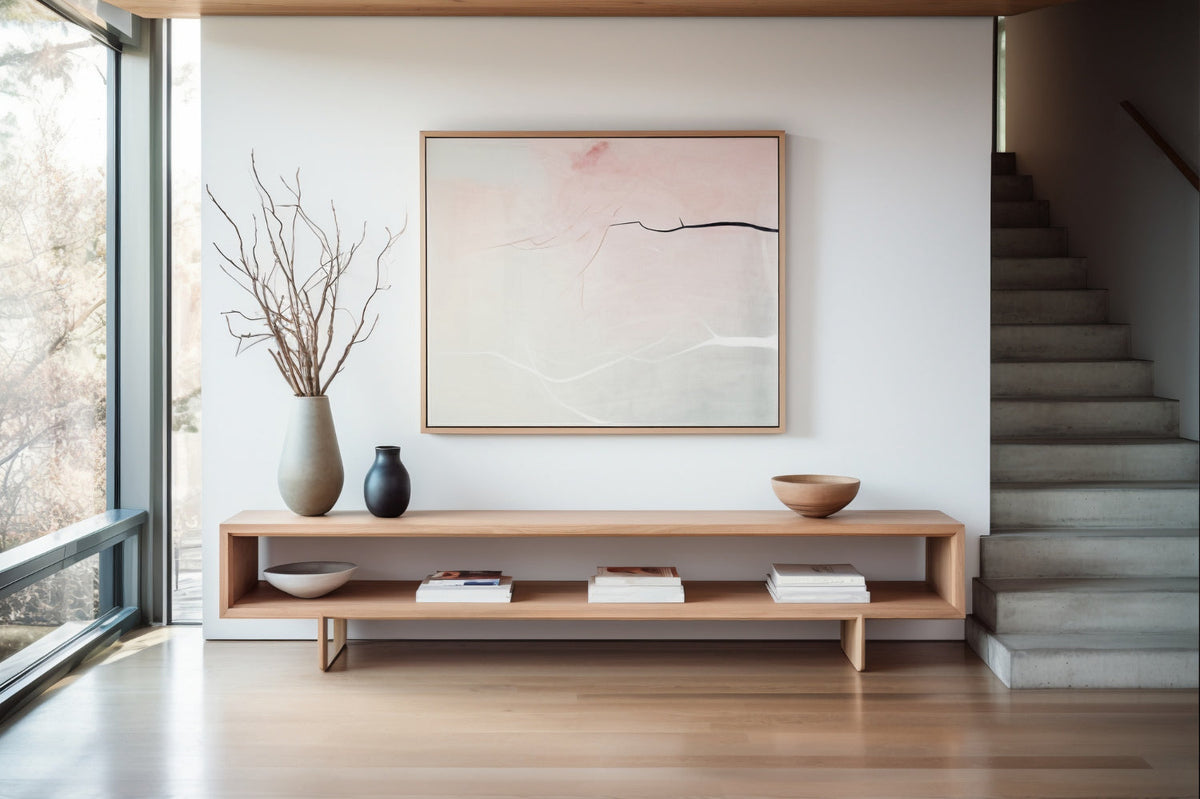
Bringing nature indoors instantly elevates any space. The dried branches in a simple ceramic vase add organic texture and vertical interest without competing with other design elements. Natural materials—wood, stone, plants, and natural fibers—ground a space and create a connection to the outdoors. These elements add warmth to modern interiors and prevent them from feeling cold or sterile.
Embracing Negative Space
One hallmark of elevated design is knowing when to stop. This room demonstrates the beauty of restraint—there's ample breathing room around each piece, allowing the eye to rest and appreciate individual elements. Negative space makes rooms feel larger, more luxurious, and more intentional. Resist the urge to fill every corner; instead, let your carefully chosen pieces shine.
Layering Textures for Richness
While the color palette is cohesive, notice the variety of textures at play: smooth plaster walls with wave patterns, soft upholstery, natural wood grain, woven elements, and matte ceramics. This layering of textures creates visual and tactile richness that prevents the monochromatic scheme from feeling flat. When designing your space, incorporate at least three to five different textures for depth and interest.
The Art of Proportion and Scale
Elevated design requires careful attention to how pieces relate to each other and the room. The low furniture profile makes the ceiling feel higher, while the large coffee table grounds the seating area. The pendant lights are sized appropriately for the space—large enough to make an impact but not so large they overwhelm. When arranging your space, step back and assess whether elements feel balanced and proportional.
Creating Zones with Thoughtful Placement
Even in an open space, thoughtful furniture placement creates distinct zones for different activities. The seating area is clearly defined, with the coffee table anchoring the conversation space. The shelving provides both storage and display opportunities without closing off the room. Consider how you use your space and arrange furniture to support those activities while maintaining flow.
The Details That Make the Difference
Elevated design lives in the details: the way light filters through pendant fixtures, the shadow patterns on textured walls, the organic curve of a coffee table, the careful editing of decorative objects. These subtle touches accumulate to create an atmosphere of refined sophistication. Pay attention to the small decisions—hardware finishes, the height of artwork, the spacing between objects—as they collectively define your space's character.
Maintaining a Curated Look
The secret to keeping your space looking elevated is curation and maintenance. Display only items that serve a purpose or bring you joy. Keep surfaces relatively clear, with just a few carefully chosen decorative pieces. Regularly edit your belongings, removing items that no longer serve your aesthetic vision. A curated space always feels more intentional and sophisticated than one filled with clutter.
Elevating your everyday spaces is about making intentional choices that reflect your personal style while adhering to timeless design principles. By focusing on cohesive color palettes, quality materials, thoughtful lighting, and the perfect balance of form and function, you can create a home that feels both luxurious and livable. Remember, true elegance lies not in how much you add, but in how thoughtfully you curate. Start with one room, implement these principles gradually, and watch as your space transforms into a sanctuary of sophisticated style.
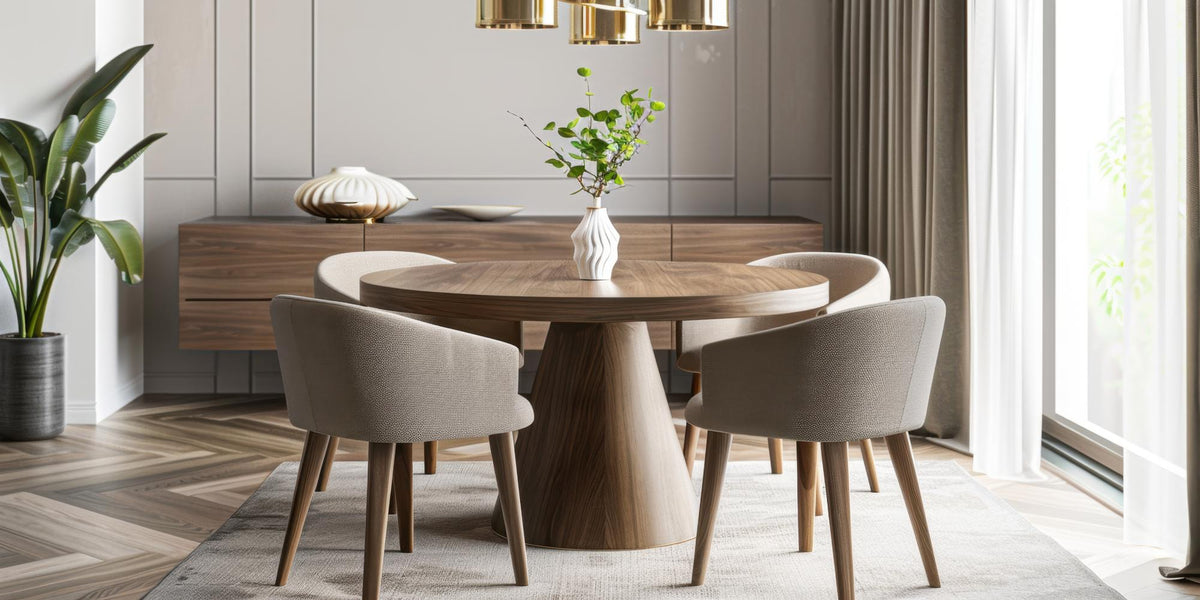
The Art of Dining Room Design: A Mid-Century Modern Approach
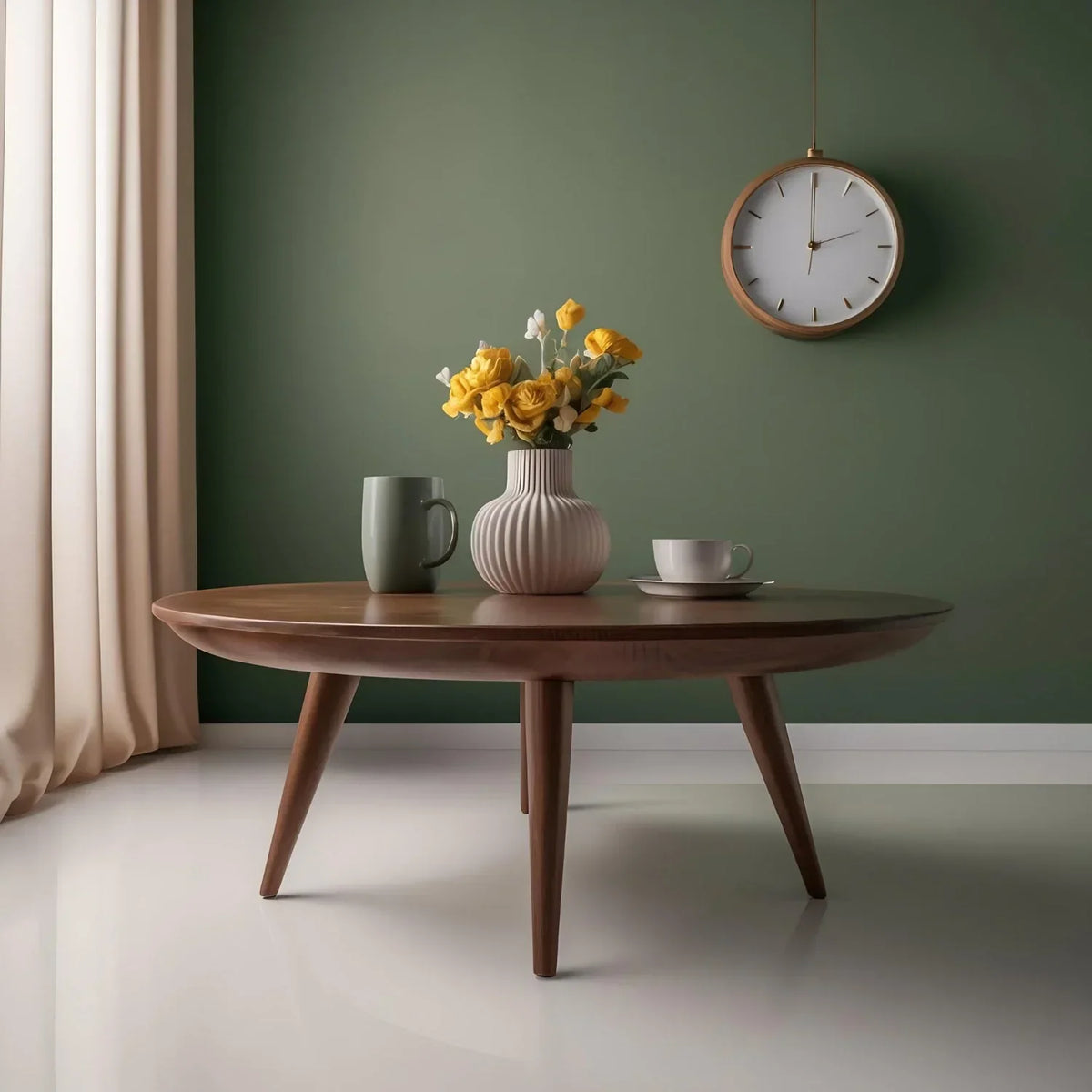
The Art of Coffee Table Styling: A Mid-Century Modern Approach